
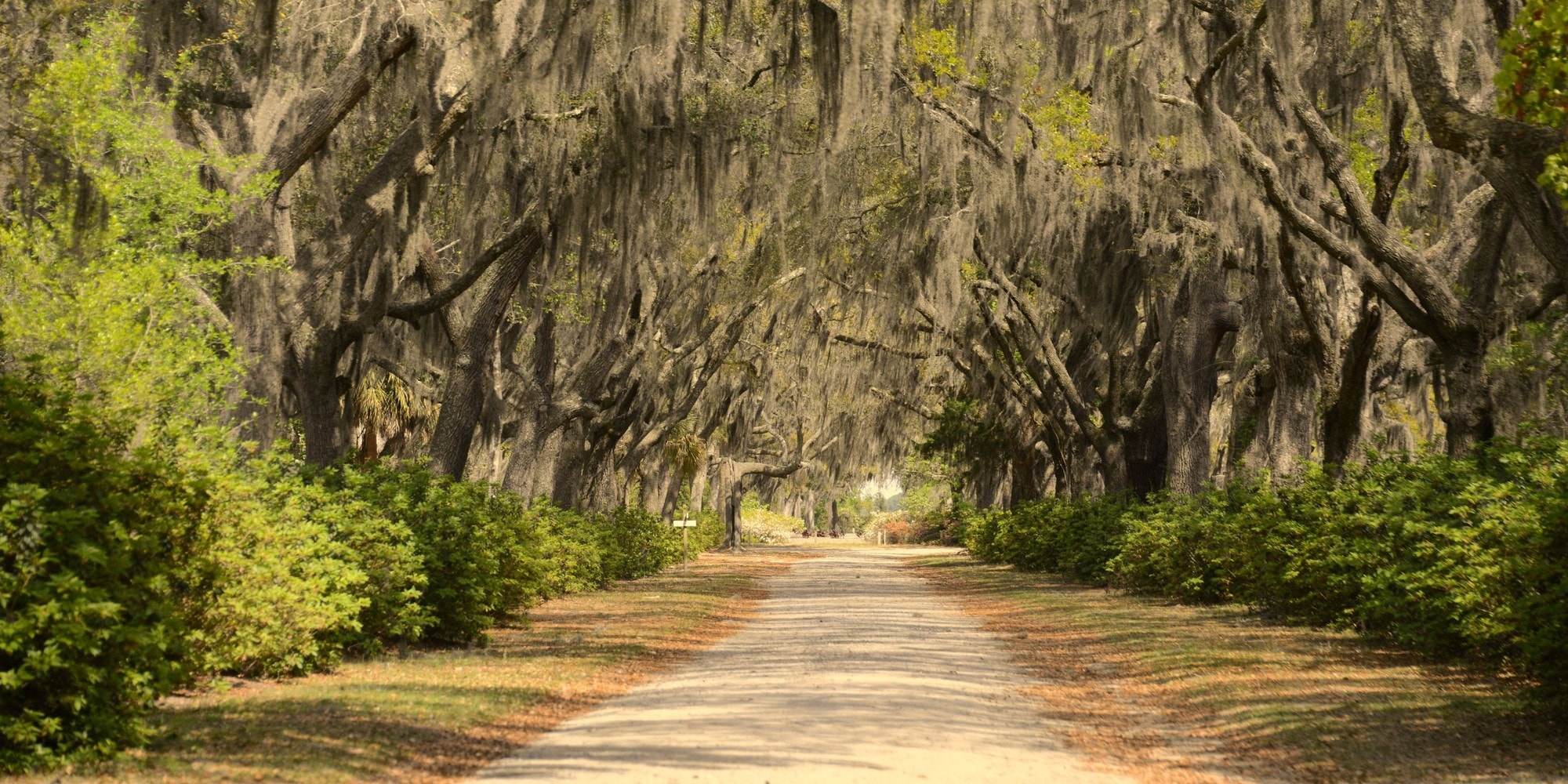
Savannah is one of the most visually distinctive wedding markets in the country. Spanish moss, cobblestoned streets, oak-canopied squares, and a historic district built to a human scale create a setting that photographs unlike anywhere else in the Southeast. That setting draws couples from across the country — and it comes with a cost structure worth understanding before you begin.
For 100–150 guests, many professionally staffed Savannah weddings land between $32,000 and $55,000, with full-service peak-season Saturdays often reaching $55,000–$80,000 once premium photography, florals, bar, rentals, live entertainment, and planning are included. The national average sits at $34,200 according to The Knot's 2026 Real Weddings Study. Savannah can sit closer to that figure than higher-pressure destination markets, especially for simpler weddings — but full-service peak-season celebrations often move above it once venue, food and beverage, photography, planning, florals, and entertainment are fully accounted for.
What a Savannah Wedding Costs in 2026
For 100–150 guests: many professionally staffed weddings land between $32,000 and $55,000, with full-service peak-season Saturdays often reaching $55,000–$80,000.
For 75 guests or fewer: a carefully managed budget can often come in between $22,000 and $35,000, though Savannah's fixed venue and vendor costs mean the ceiling doesn't shrink proportionally with the guest list.
Savannah sits in an interesting middle ground among Vera Monet's markets. It's a genuine destination — couples travel specifically for its streets, squares, and live oak canopy — but it can be more attainable than some higher-pressure destination markets. That said, peak-season pricing, permit logistics, and fixed vendor costs mean the budget floor is higher than it first appears.
The Savannah Budget Breakdown
For most couples planning a 100–150 guest Saturday wedding in Savannah:
| Category | Realistic Range |
|---|---|
| Venue | $4,000–$12,000 |
| Catering + bar | $8,000–$24,000 |
| Photography | $3,300–$7,000 |
| Videography | $2,500–$4,500 |
| Florals + decor | $2,500–$8,000 |
| Planner | $2,500–$8,000 |
| Entertainment (DJ or band) | $2,000–$8,000 |
| Hair + makeup | $1,000–$2,500 |
| All other (attire, cake, stationery, transport, etc.) | $4,000–$9,000 |
| Total | $32,000–$79,000 |
The lower end reflects an off-peak date, a self-contained venue, and a well-curated vendor team without full-service planning. The upper end reflects a peak Saturday, a live band, elaborate florals, and end-to-end planner involvement. Most full-service Savannah weddings for 100–150 guests land somewhere in the $35,000–$55,000 range, with premium peak-season celebrations going higher.
The Venue Market
Savannah's venue landscape is defined by its geography. The historic district and its 22 squares offer a setting that is largely unavailable anywhere else — but using those squares for a wedding requires navigating the city's permit process. Venues range from intimate courtyard properties in the historic district to hotel ballrooms on the riverfront, garden estates on the city's perimeter, and farm properties within 30 minutes of downtown.
Venue site fees in Savannah commonly run between $4,000 and $12,000 according to local market data, with the broader range extending lower for intimate properties and higher for premium buyouts. Collins Quarter at Forsyth, one of the most sought-after smaller venues, starts at $7,500. Many all-inclusive packages bundle catering and coordination, which can make total cost comparison easier but harder to evaluate on individual line items.
A few Savannah-specific venue considerations:
Square permits. Weddings in Savannah's squares typically require a city permit when they include chairs, aisle runners, tents, tables, or decor. Small ceremonies with fewer than 50 people and no setup may proceed without a permit, but they remain first-come, first-served unless permitted. Permitted reservations guarantee the space and require hiring an off-duty Savannah Police Officer for the duration of the event. The permitting calendar opens up to one year in advance, and St. Patrick's Day block-out dates affect March planning significantly.
Peak season timing. The City of Savannah officially designates March, April, May, September, October, and November as peak season months — a broader window than most markets. Venue and vendor availability is tightest during this six-month stretch.
St. Patrick's Day. Savannah's St. Patrick's Day celebration is one of the largest in the country. The week surrounding the holiday is effectively unavailable for square-based weddings, and early March dates near Forsyth Park are complicated by the fountain being dyed green through the celebration period.
Photography
Savannah's photography market reflects the city's appeal as a destination. The combination of Spanish moss canopy, Forsyth Park's fountain and pathways, the cobblestoned streets of the Factor's Walk district, and the riverfront creates a setting that draws fine-art and editorial photographers from outside the immediate market.
Photography pricing in Savannah ranges widely. Experienced full-day wedding photographers often begin in the low-to-mid thousands, with many established photographers landing between $3,300 and $7,000 for full-day coverage. Luxury and destination photographers move well above that range — fine-art studios working across Savannah and Charleston can start at $7,500 or higher, with some luxury collections beginning above $10,000.
Albums, engagement sessions, and second photographers are often priced separately and worth factoring in from the start.
Catering
Catering in Savannah scales with guest count and service style in the way you'd expect, but the city's culinary identity — Low Country cuisine, Lowcountry boils, shrimp and grits, locally sourced seafood — means the most memorable menus carry a premium over standard banquet-style options.
Per-person catering costs run between $60 and $160 for many Savannah weddings, per local venue guidance. The lower end reflects simpler service and lighter menus; the upper end reflects full plated service with premium courses and bar. For 100–150 guests at the mid-range, food and beverage is typically the largest single line item in the budget.
Service charges of around 18–22% are common at catered venues and are often not clearly shown in early quotes. Read catering proposals carefully — what reads as $90 per person can become $110 per person once service fees are added before gratuity.
Wedding Planning
Savannah's planning market is well-developed, with a strong community of full-service and partial planners who specialize in destination weddings and historic-district logistics.
Month-of coordination starts in the low thousands. Partial planning sits in the middle of the range. Full-service planning for a Savannah wedding commonly runs between $3,500 and $10,000, with the upper end reflecting destination-scale coordination, multi-vendor management, and peak-season demand.
The case for a Savannah planner is particularly strong for out-of-area couples. Square permit logistics, vendor availability windows, St. Patrick's Day block-outs, and the specifics of historic-district event rules are genuinely harder to navigate from a distance. A planner with established Savannah relationships will know which permits need to be filed and when, which vendors have openings that aren't publicly listed, and how to build a timeline that accounts for the city's summer heat.
Florals and Decor
Savannah's setting is generous to florals. The city's natural abundance — Spanish moss, wisteria, garden courtyards, and the scale of its trees — means that thoughtful floral design works with the environment rather than against it. Couples often find that restrained floral choices can read beautifully in Savannah because the setting provides so much visual context.
A realistic starting point for Savannah florals is $2,500, covering bridal party flowers and simple ceremony and reception accents. More designed weddings with considered tablescapes and ceremony installations run $5,000–$8,000. Large-scale installations at peak-season estate events go above that.
The Savannah-specific note: florists who know the market understand how to work with the ambient light and color palette of the historic district. A lush garden-style arrangement reads differently against Spanish moss and aged brick than it would against a blank-canvas venue. Ask to see portfolio work from Savannah-specific weddings, not just the photographer's broader catalog.
What Makes Savannah Different
The squares are both the appeal and the complication. No other market has 22 public squares available as ceremony backdrops within a compact walkable area. But they're public, they require permits, and they operate under city rules that affect everything from setup times to music volumes. Couples who want a square ceremony need to begin the permit process early and build contingencies for shared public space.
The summer heat is genuine. Savannah's summers are hot and humid, with daily highs commonly reaching the upper 80s to low 90s from June through August. Outdoor ceremonies during this period require careful timing — typically early morning or late evening — and climate-controlled reception spaces. This isn't a reason to avoid summer entirely, but it's a planning variable that affects every other vendor decision.
The market is genuinely destination-driven. Like Charleston, a meaningful share of Savannah weddings involve couples or guests traveling in from outside Georgia. This creates consistent year-round demand at the top of the vendor market, even during shoulder months. The best photographers and planners in Savannah fill their peak-season calendar early regardless of whether any individual couple is local.
Tybee Island is a different market. Tybee Island, 18 miles east of downtown Savannah, offers ocean-view and beachfront ceremony options that the historic district doesn't have. It's a distinct planning context — different venues, different logistics, different aesthetics — and couples drawn to a coastal backdrop should evaluate it separately from a historic-district Savannah wedding rather than treating them as interchangeable.
When to Book What
For peak season Saturdays (March–May and September–November), plan on:
- Venue: 12–18 months out
- Photographer and full-service planner: 12–15 months out
- Live band: 10–14 months out
For other categories:
- Florist and videographer: 8–12 months out
- Hair and makeup team: 6–10 months out
- Catering (if not venue-provided): 6–10 months out
- Transportation, stationery, cake: 3–6 months out
The square permit calendar opens one year in advance of the event month. If your ceremony involves a Savannah square, the permit application is effectively its own booking-timeline item — plan accordingly.
The Season Question
March through May is Savannah's spring peak. Temperatures are mild, azaleas bloom through April, and the city's garden settings are at their most lush. This is Savannah's most competitive and most photographically rewarding window. St. Patrick's Day affects early-to-mid March availability significantly.
September and October are Savannah's fall sweet spot. Humidity drops, temperatures ease into the 70s and low 80s, and the light shifts toward the warm afternoon quality that photographs beautifully in the historic district. October in particular is competitive across every vendor category.
November extends the fall window with slightly more availability and often lower venue pricing. The weather remains pleasant through most of the month.
June through August is Savannah's summer season. The heat and humidity are real constraints for outdoor events, but indoor or shaded venues with climate control work well. Vendor availability is higher and pricing is more negotiable in this window.
December through February is the most accessible period. Vendor calendars open up, pricing softens, and the trade-off is cooler temperatures and a quieter city. February bookings avoid the March block-out period and often find meaningful value in both venue and vendor pricing.
A Note on How We Think About Vendors
Finding the right photographer, planner, or florist in Savannah doesn't require a directory. It requires knowing which vendors understand the specific character of the market — the light, the settings, the logistics — and which couples they're genuinely suited to work with.
That's what Vera Monet does. We review vendor portfolios, build relationships in each market, and make introductions based on fit rather than availability or advertising spend. When you're ready, we introduce you to three vendors in each category.
Sources: The Knot 2026 Real Weddings Study · City of Savannah Special Events & Weddings (savannahga.gov) · Tybee Wedding Chapel: Average Cost of a Wedding Venue Near Savannah (2026) · Collins Quarter at Forsyth via Zola (2026) · Esther Griffin Photography (2026) · Dana Cubbage Weddings: Savannah Wedding Photographers (2026)